Contents
Reliable communication is crucial for the success and safety of large-scale events. Event organizers rely on two-way radio systems to coordinate logistics, manage security, and handle emergencies. However, these radio systems can experience interference, crosstalk, and communication failures without proper frequency coordination. In this article, we’ll explore the importance of frequency coordination and the role of frequency coordinators in ensuring seamless communication during large-scale events.
Understanding Frequency Coordination
Frequency coordination is the process of allocating and managing radio frequencies to prevent interference and ensure clear communication. When multiple organizations or vendors use two-way radios at the same event, there is a risk of interference if the frequencies are not properly coordinated. This is where frequency coordinators come in.
Frequency coordinators are responsible for assigning frequencies to different vendors and organizations, ensuring that there are no conflicts or interference. They work with the Federal Communications Commission (FCC) to obtain the necessary licenses and ensure compliance with regulations. Frequency coordinators also consider factors such as the type of radio service (e.g., FRS, amateur radio, public safety radio systems), frequency band (e.g., VHF, UHF), and the presence of repeaters or itinerant users.
Some two-way radio providers, such as SEI Wireless Communications, a premier Motorola Two-Way Radio provider, have a dedicated frequency coordinator on staff who specializes in ensuring that everything works properly on game day, including frequency assignments.
“Frequency coordination is essential in the radio business,” says Richard, the dedicated frequency coordinator at SEI Wireless Communications. “Without proper coordination, radios operate on the same frequency, causing interference and rendering communication ineffective. It’s our job to ensure that each radio uses a unique frequency within the allocated range of frequencies.”
Case Studies: Super Bowl and Formula One
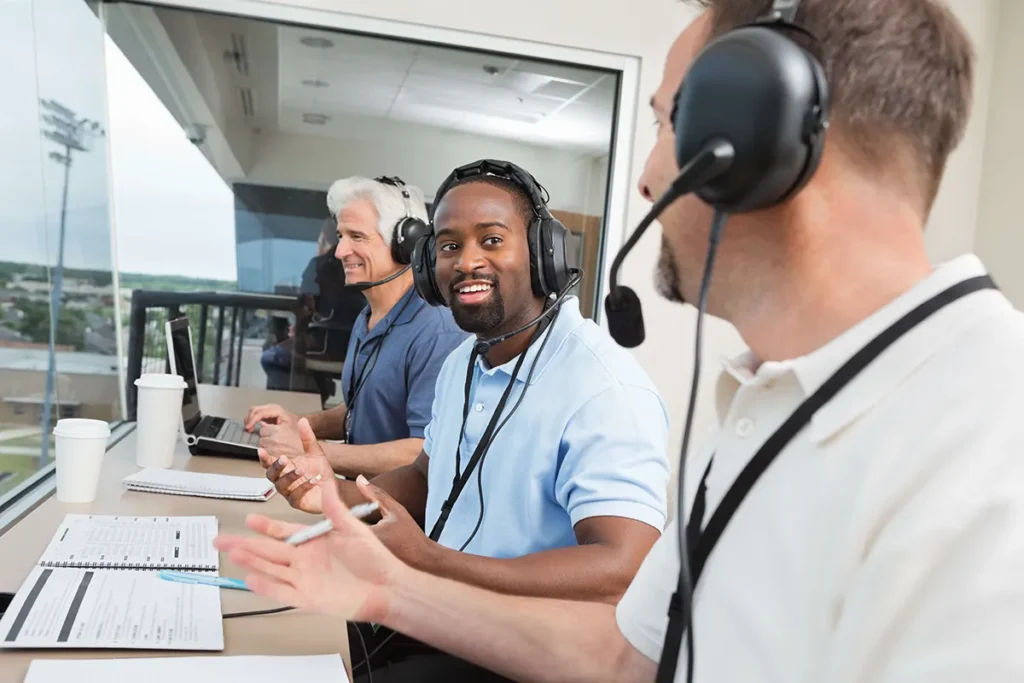
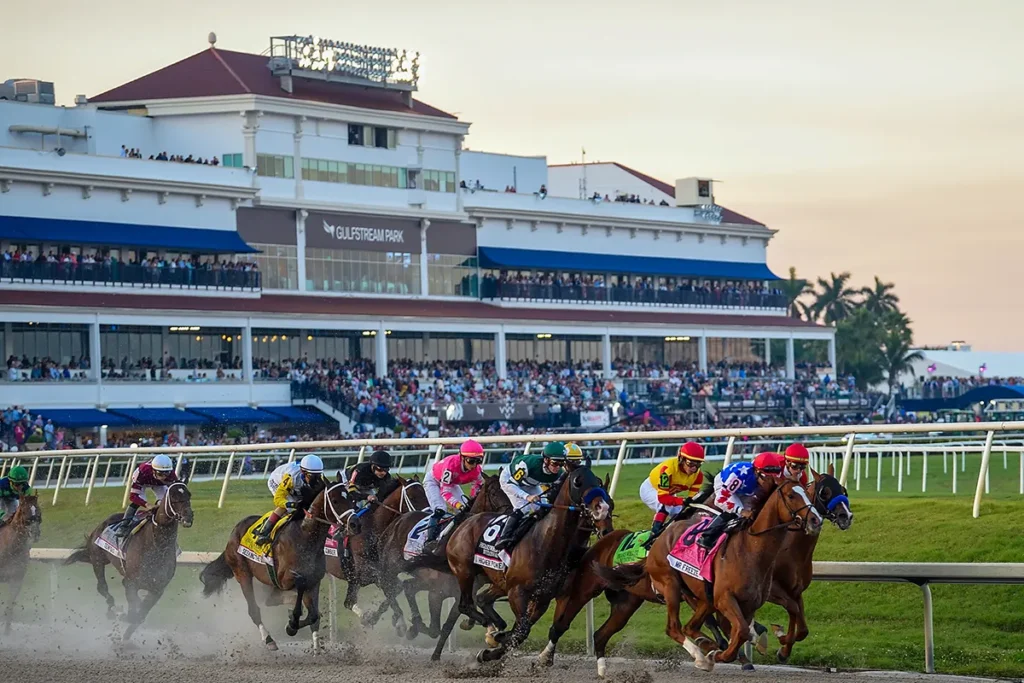
At Large-scale events like the Super Bowl and Formula One there is always an assigned frequency coordinator. Anyone bringing walkie talkies to the event must register with the frequency coordinator of record. These types of events require extensive frequency coordination to ensure reliable two-way radio communication.
For example, at Formula One events, the frequency coordinator is SEI Wireless Communications. All vendors bringing devices (whether Motorola or another brand) such as Ferrari and Red Bull, have their own dedicated communication systems but they still must register with the frequency coordinator, SEI in this case. Frequency coordination is critical to ensure that racing teams, event organizers, and public safety agencies can communicate effectively. Anyone who does not register with the frequency coordinator may be unable to communicate at the event. As you can imagine, frequency coordinators play a vital role in managing the overall radio system and preventing interference.
At other events like the Super Bowl, multiple vendors and organizations, including public safety agencies, media staff, outlets, and EV, rely on wireless communication systems to transmit important messages. Again, frequency coordinators work closely with the NFL and all other stakeholders to allocate frequencies and prevent interference.
Best Practices for Frequency Coordination
To ensure reliable communication during large-scale events, following best practices for frequency coordination is essential.
The coordination process works like this: First, event organizers and vendors should submit their frequency requirements to the frequency coordinator well in advance of the event. This allows the coordinator to identify and resolve any potential conflicts before they cause issues during the event.
Next, frequency coordinators also work with the FCC to obtain the necessary licenses and ensure compliance with regulations. Based on the event’s requirements and the available frequency spectrum, they may recommend specific frequency bands, such as VHF or UHF. In some cases, frequency coordinators may also recommend the use of repeaters or other technologies to extend the maximum range and reliability of the radio system.
“It’s important to note that frequency coordination is not always required, but it’s highly recommended for large-scale events,” explains Alison Regli of SEI Wireless Communications. “Hiring a frequency coordinator ensures that all radios work seamlessly together without interference or crosstalk. It’s a critical part of the event planning process.”
The Importance of Choosing the Right Two-Way Radio Provider
When it comes to large-scale events, choosing the right two-way radio provider is crucial. Event organizers should work with experienced providers who deeply understand frequency coordination and the regulatory landscape. These providers can help event organizers navigate the complex process of obtaining FCC licenses, selecting appropriate frequency bands, and designing reliable radio systems.
Providers like SEI, which carries Motorola Solutions, offer a range of two-way radio solutions for large-scale events, including portable radios, mobile radios, and repeaters. These solutions are designed to provide clear, reliable communication in challenging environments, with features like noise cancellation, encryption, and emergency alerting. Some providers also offer frequency division techniques, allowing multiple radios to operate on the same frequency without interference.
Frequency coordination is critical to ensuring reliable two-way radio communication during large-scale events. By working with experienced frequency coordinators and choosing the right two-way radio provider, event organizers can minimize the risk of interference, crosstalk, and communication failures. With proper frequency coordination, event organizers can ensure the safety and success of their events while providing seamless communication for all stakeholders involved. Remember, coordinated frequencies are essential for effective communication in any radio service, like event management or public safety, whether you’re using a lower or higher frequency.
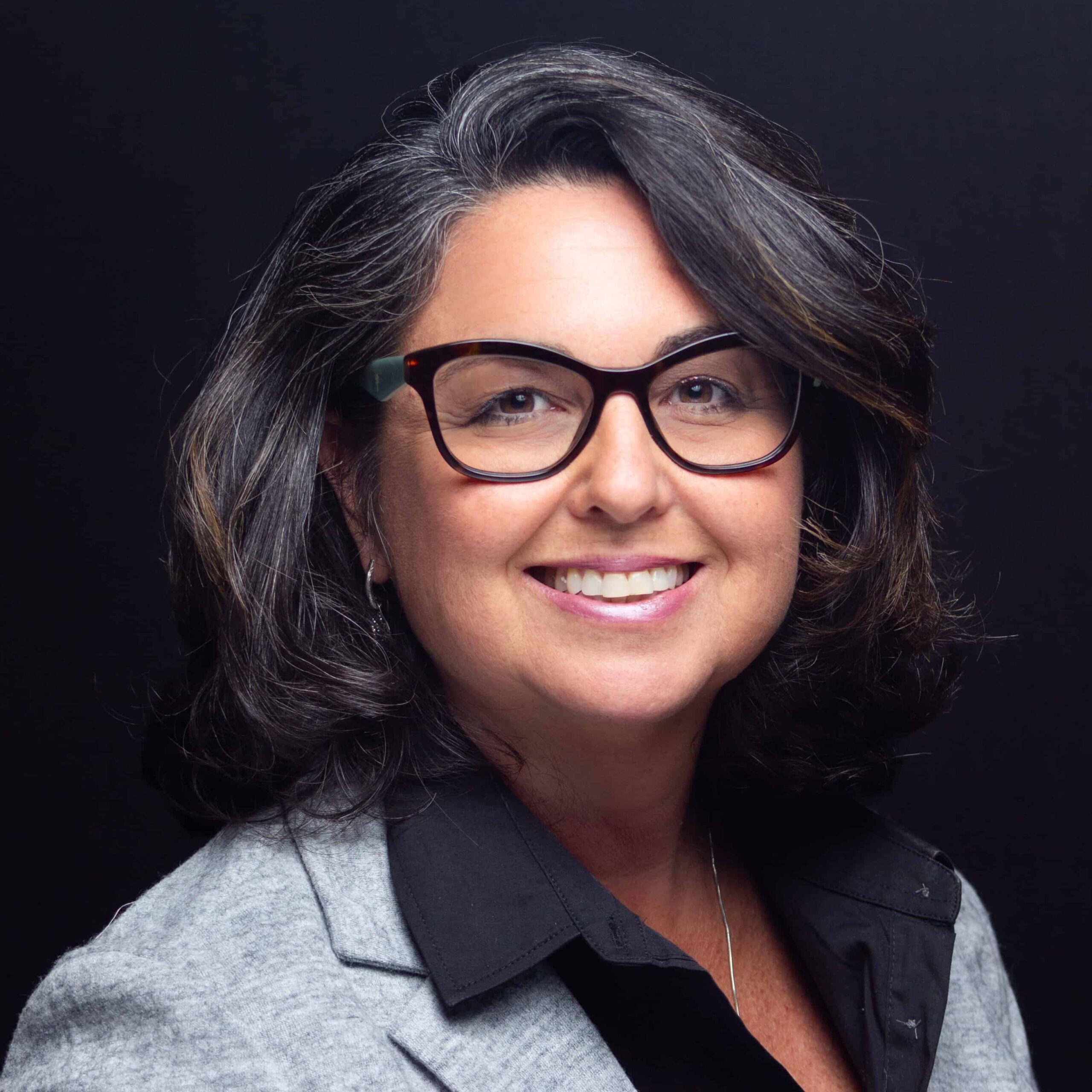
Chief Marketing Officer
Alison Regli leads Marketing at SEI Wireless Solutions, a Motorola Solutions Channel Partner. She turns complex safety tech into clear, concise messages for customers, vendors, and team members for results! She drives demand for SEI’s two-way radio solutions and security technology across multiple industries. Always staying Game Day Ready, delivering white-glove support, all in service of Solving for Safer for people, places, and property.
Off the clock, you’ll find her at yoga, in her organic garden, and savoring big ideas and simple moments.